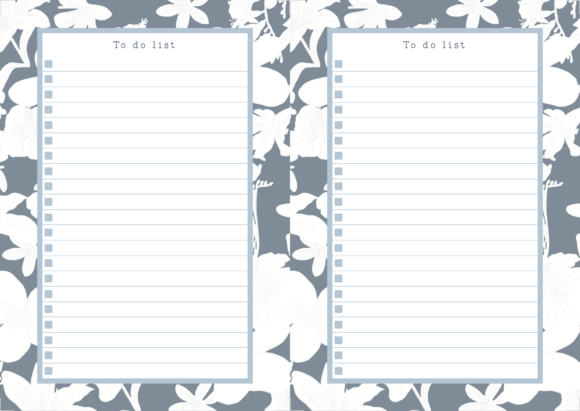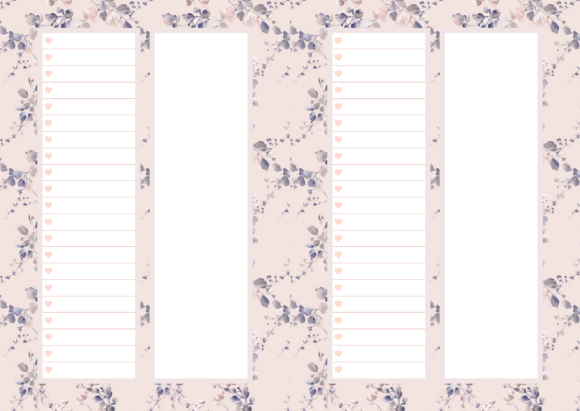
To Do List Planner Paper: A Comprehensive Evaluation for Productivity and Design
In an era where digital notifications compete for every spare second of attention, the tactile experience of writing by hand has seen a significant resurgence. Among the tools driving this return to analog productivity is To Do List Planner Paper. This specific format, often available as a printable PDF in A5 size, serves as more than just a simple checklist; it is a versatile asset for individuals seeking structure, designers looking for texture, and crafters aiming for precision. Understanding the nuances of this tool helps users determine whether it aligns with their organizational goals or creative workflows.
Understanding the Format and Functionality
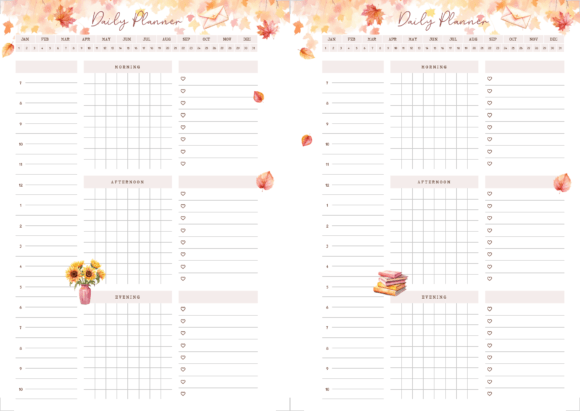
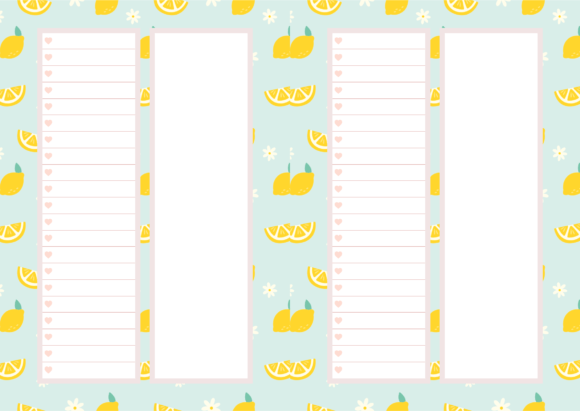
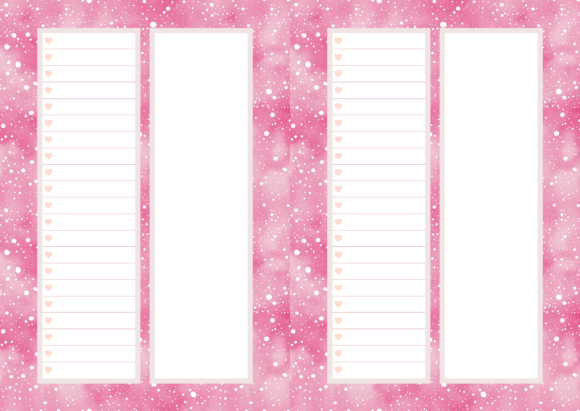
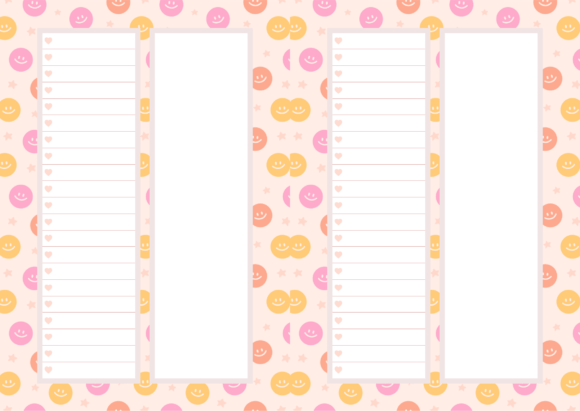
At its core, To Do List Planner Paper is a structured document designed to break down tasks into manageable segments. Unlike generic lined paper, these planners typically feature checkboxes, time-blocking sections, or priority indicators. The standard A5 size (approximately 148 x 210 mm) is particularly notable because it offers a balance between portability and usability. It is small enough to fit into most daily bags and binders yet large enough to provide sufficient space for detailed note-taking without feeling cramped.
The availability of these pages as printable PDFs democratizes access to high-quality planning tools. Users receive a digital file that can be printed on demand, allowing for customization based on personal preference regarding paper weight, color, and finish. This flexibility is a key differentiator from pre-bound notebooks, which offer fixed formats and limited page counts.
Key Benefits of Using Printable To Do List Pages
Adopting a system based on loose-leaf or printable planner pages offers several distinct advantages over traditional stationery.
- Customization and Flexibility: Users are not locked into a single design. If a weekly layout does not suit your workflow, you can switch to a daily view or a monthly overview instantly. This adaptability ensures that the planning tool evolves alongside your changing needs.
- Cost-Effectiveness: Purchasing branded, pre-printed planners can be expensive. By utilizing free or low-cost printable PDFs, individuals can reduce their overhead costs significantly. You only print what you need, reducing waste associated with unused pages in bound books.
- Tactile Engagement: Research suggests that writing by hand enhances memory retention and cognitive processing compared to typing. The physical act of checking off a box on To Do List Planner Paper provides a psychological reward that reinforces task completion.
- Seamless Integration: For those who use ring binders or pocket folders, loose pages allow for easy rearrangement. Completed weeks can be archived, while future plans can be inserted at any point, maintaining chronological order without the rigidity of a spiral-bound book.
Cross-Industry Applications and Versatility
While primarily categorized as an organizational tool, the utility of To Do List Planner Paper extends well beyond personal productivity. Its clean lines, neutral backgrounds, and structured grids make it a valuable resource for various creative and commercial applications.
Crafting and Scrapbooking
For scrapbookers, these pages serve as excellent background elements. The grid or line patterns add visual interest without overpowering photographs or journaling entries. Crafters often use them for collages, cardmaking, and creating unique invitations. The A5 size is particularly popular for mini-albums and party favors, offering a standardized dimension that fits easily into packaging and display frames.
Graphic Design and Web Development
Designers frequently utilize printable planner templates as mockups or texture overlays. In web design, the aesthetic of "handwritten" or "sketch-style" lists is often used to convey approachability and organization. To Do List Planner Paper provides a realistic base for UI/UX prototypes, allowing developers to visualize how task management interfaces might look in a physical context. Additionally, the clean vectors found in high-quality PDFs are suitable for generating business cards, letterheads, and stationary designs that emphasize efficiency and minimalism.
Home Decor and Fabric Printing
The minimalist appeal of planner layouts has made them trendy in home decor. High-resolution prints of these pages can be framed as wall art, adding a functional yet artistic touch to offices and kitchens. Furthermore, the patterns are increasingly used in fabric printing for quilting and apparel, where the geometric nature of the list items creates a modern, industrial-chic aesthetic.
Tradeoffs and Considerations
Despite its many advantages, integrating printable To Do List Planner Paper into your routine requires careful consideration of potential drawbacks.
Printer Dependency: The primary limitation is the reliance on a functional printer. Ink levels, paper jams, and hardware maintenance can disrupt planning routines. For users in areas with unreliable electricity or internet access, this dependency may be a significant hurdle.
Paper Quality Variance: When printing at home, the quality of the output depends heavily on the user’s equipment. Standard office printers may produce ink that bleeds through thin paper, making erasures difficult or notes illegible. To achieve a premium feel, users must invest in higher GSM (grams per square meter) paper, which increases material costs.
Organization Challenges: Loose pages require a robust storage solution. Without a dedicated binder or folder, pages can become disorganized, lost, or damaged. Users must establish a strict filing system to ensure that completed logs remain accessible for review, which adds a layer of administrative effort not present in bound notebooks.
Situational Fit: Who Should Use This?
To Do List Planner Paper is a strong fit for specific user profiles. It is ideal for minimalists who prefer to carry only essential documents and want to avoid the bulk of traditional planners. It suits students and researchers who need to annotate heavily and rearrange study schedules dynamically. It is also perfect for creative professionals who value the aesthetic integration of their planning tools with their broader design projects.
Conversely, alternatives may be worth considering for others. Individuals who travel frequently and lack consistent access to printing facilities might benefit more from durable, pre-bound notebooks. Those who struggle with the discipline of organizing loose leaves may find the fixed structure of a diary more helpful. Additionally, users prioritizing eco-friendliness above all else might prefer reusable whiteboard planners or digital apps to eliminate paper waste entirely.
Practical Decision-Making Insights
Selecting the right planning medium involves evaluating your workflow against the capabilities of the tool. Before committing to a printable To Do List Planner Paper system, consider the following questions:
- Do you have reliable printing resources? If yes, the cost savings and customization benefits outweigh the minor inconvenience of printing.
- How do you prefer to store information? If you enjoy curating your own binders and archiving past data, loose pages are superior. If you prefer a linear, uninterrupted flow, a bound book is better.
- What is your aesthetic goal? If you wish to incorporate planner aesthetics into crafts or design work, printable PDFs offer the highest resolution and versatility.
Ultimately, the decision hinges on balancing convenience with customization. To Do List Planner Paper represents a flexible, cost-effective, and visually appealing option for those willing to manage the logistics of printing and binding. For users who appreciate control over their organizational environment, it offers a tailored solution that adapts to their life, rather than forcing their life to adapt to a pre-made book.