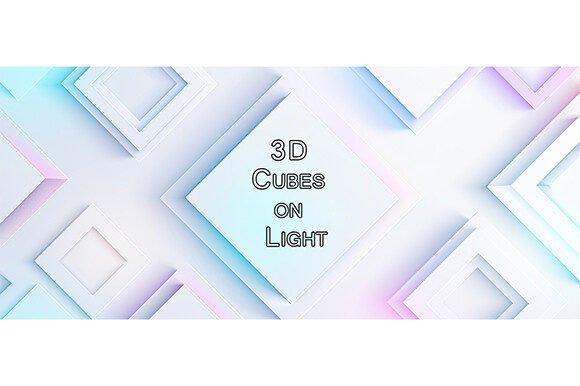
The Power of Minimalism: Leveraging 3D Cubes on Light Abstract Backgrounds for Modern Design
In the fast-paced world of digital and print media, visual communication is paramount. When a viewer encounters a brand or a piece of content, their first impression is formed in a fraction of a second. This is where high-quality, versatile background imagery plays a critical role. Among the vast array of design assets available, 3D Cubes on Light and Abstract Backgrounds have emerged as a staple for professionals seeking to convey clarity, innovation, and sophistication. Specifically, a premium resolution file—such as a 4807x2100 px - 300 DPI - JPEG format image—offers unparalleled versatility for a wide range of creative applications.
This article explores why this specific aesthetic is so effective, how its technical specifications enhance its utility, and practical ways you can integrate it into your personal projects, business branding, and educational materials.
Understanding the Aesthetic: Why 3D Cubes and Light Backgrounds?
To understand the value of this asset, we must first look at the psychology of design. The combination of geometric shapes, specifically cubes, against a light, abstract backdrop creates a sense of balance and modernity. Here is why this style resonates with audiences:
- Clarity and Focus: Light backgrounds reduce visual clutter. They provide a "clean slate" that allows text, logos, or primary focal points to stand out without competition. This is essential for readability and user experience (UX) in web design.
- Structure and Order: The cube is one of the most fundamental shapes in geometry. It represents stability, structure, and building blocks. In a business context, this subconsciously communicates reliability and organization.
- Depth and Dimension: Unlike flat 2D designs, 3D rendering adds depth. Shadows, highlights, and perspective give the image a tactile quality, making the design feel more immersive and engaging.
- Abstract Neutrality: An abstract background avoids distracting the viewer with specific narratives (like a crowded city street or a forest). Instead, it provides a neutral canvas that can adapt to various themes, from technology to healthcare.
When these elements are combined, they create a sophisticated yet approachable atmosphere. It is a style that feels both futuristic and timeless, making it suitable for industries ranging from software development to interior design.
The Importance of High Resolution: Decoding 4807x2100 px and 300 DPI
Not all images are created equal. The difference between a mediocre background and a premium design asset often lies in the technical specifications. For professional use, understanding resolution and DPI (Dots Per Inch) is non-negotiable.
What Does 4807x2100 Pixels Mean?
A resolution of 4807x2100 pixels indicates an ultra-wide aspect ratio. This is significantly wider than standard 16:9 or 4:3 screens. This extra width offers several advantages:
- Desktop Headers: It perfectly fits modern desktop monitors and laptop screens, providing a panoramic view that envelops the user.
- Banners and Posters: The wide format is ideal for horizontal banners, trade show displays, and large-format posters where you want to showcase a broad scene without cropping important details.
- Social Media Stories: While vertical formats dominate mobile feeds, the width allows for creative cropping. You can extract square or vertical segments from this image while maintaining high pixel density.
Why 300 DPI Matters for Print
Many users confuse screen resolution (PPI - Pixels Per Inch) with print resolution (DPI). A file formatted as a JPEG at 300 DPI is considered the gold standard for high-quality printing. Here is what that means for you:
- No Pixelation: At 300 DPI, the individual dots of ink are so small that the human eye cannot distinguish them. This ensures that when you print this image on paper, it looks crisp and sharp, not blurry or blocky.
- Premium Feel: Whether you are printing business cards, postcards, or packaging, a 300 DPI image elevates the perceived value of your product. It signals attention to detail and professionalism.
- Scalability: Because the pixel dimensions are high (nearly 10 million pixels total), you can scale the image down for smaller items like bookmarks or up for larger items like wall art without losing quality.
Note: Always ensure your printer uses the correct color profile (usually CMYK for print, though sRGB JPEGs are often accepted by modern printers) to maintain color accuracy.
Practical Applications: Where to Use This Asset
The versatility of a 3D cubes on light abstract background makes it a multi-purpose tool in a designer’s kit. Below are specific examples of how to leverage this asset across different mediums.
1. Digital Branding and Web Design
In the digital realm, first impressions happen instantly. Using this image as a website hero section background can set a tone of innovation and cleanliness. Its light palette ensures that white text overlays remain readable, while the 3D elements add a layer of visual interest that keeps users engaged.
For social media branding, you can use parts of this image to create consistent cover photos for LinkedIn, Twitter, or Facebook. The abstract nature allows it to pair well with various brand colors, making it easy to maintain a cohesive look across platforms.
2. Print Collateral and Stationery
Despite the rise of digital media, physical touchpoints remain powerful. This high-resolution JPEG is perfect for:
- Business Cards: Use the texture or a cropped section of the cubes as a subtle background on the back of your card. It adds a tactile, premium feel without overwhelming the contact information.
- Invitations: For corporate events, tech conferences, or modern weddings, this background offers a contemporary alternative to floral or patterned designs.
- Postcards and Flyers: The wide format is ideal for postcards. You can place your message in the center, utilizing the negative space provided by the light background.
3. Packaging and Product Design
If you are launching a physical product, packaging is your silent salesman. A clean, abstract background suggests purity, precision, and high quality. Imagine a tech gadget box, a skincare line, or a luxury notebook featuring this design. The 3D cubes can subtly represent the components of your product or the building blocks of your brand values.
4. Educational and Presentation Materials
For educators and presenters, visual aids are crucial for retaining audience attention. Using this image in PowerPoint slides or PDF reports provides a professional framework. The light background reduces eye strain during long presentations, while the geometric shapes can be used metaphorically to discuss concepts like "building blocks," "structure," or "modularity."
Common Misunderstandings and Best Practices
While using high-quality stock imagery is straightforward, there are common pitfalls to avoid.
Misunderstanding Copyright and Licensing
Just because an image is high quality does not mean it is free to use. Always verify the licensing terms. Premium quality files often come with specific usage rights. Ensure you have the right to use the image for commercial purposes if you are using it for business branding, packaging, or advertising. Some licenses may restrict use in resale templates or NFTs.
Overcrowding the Design
A common mistake is placing too much text or too many graphical elements over a detailed background. Even though this background is "light" and "abstract," the 3D cubes still have shadows and gradients. If you overlay heavy text, it can become hard to read. Best Practice: Use ample whitespace. Place your main headline in the center or in a designated clear zone. Consider adding a semi-transparent overlay if you need to darken the background slightly for better contrast.
Neglecting Color Harmony
The beauty of a light abstract background is its neutrality, but it is not colorless. Pay attention to the undertones of the light background. Is it warm beige? Cool grey? Soft blue? Choose your brand colors to complement these undertones. For example, if the background has cool grey tones, navy blue or teal accents will look sophisticated. If it is warm, earth tones or coral accents might work better.
Conclusion: Elevate Your Visual Storytelling
In a saturated digital landscape, standing out requires more than just good ideas; it requires excellent execution. A 3D Cubes on Light Abstract Background at 4807x2100 px and 300 DPI is more than just a pretty picture. It is a strategic design asset that conveys professionalism, clarity, and modernity.
Whether you are designing a website header, printing a stack of business cards, or creating social media content, this high-resolution JPEG provides the flexibility and quality needed to make a lasting impression. By understanding the power of minimalism, respecting technical specifications, and applying best practices in layout and color theory, you can transform this single image into a cornerstone of your visual identity.
Take the time to explore how this asset fits into your current projects. Experiment with cropping, layering, and color pairing. You may find that this simple yet profound design element holds the key to unlocking a new level of polish and professionalism in your work.