Note Planner Page: The Ultimate Printable Tool for Organization
In the fast-paced world of content creation, project management, and personal productivity, having a reliable system to track tasks is non-negotiable. While digital apps dominate the screen time, there remains a distinct psychological advantage to writing things down on paper. This is where the Note Planner Page steps in as an essential asset. It is not merely a sheet of paper; it is a structured framework designed to bring clarity to chaos. Whether you are a busy entrepreneur managing multiple client projects, a blogger planning editorial calendars, or a crafter organizing your next big DIY initiative, this printable PDF planner page offers a versatile solution that bridges the gap between digital planning and tactile execution.
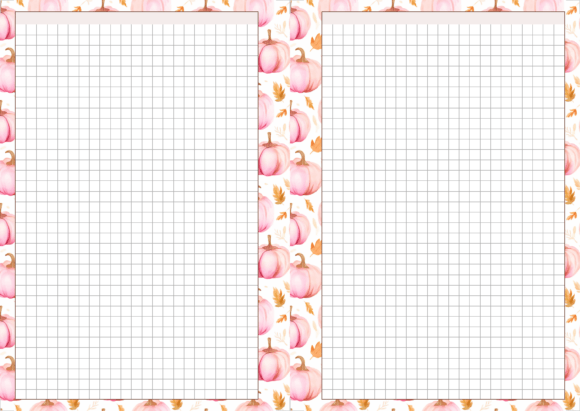
The concept behind the Note Planner Page is rooted in simplicity and functionality. Unlike complex, pre-printed planners that force you into rigid weekly layouts, this A5-sized template provides a clean slate. It is designed to be printed, cut, and inserted into any binder, notebook, or scrapbook album you already own. This flexibility allows users to customize their organizational strategy without being constrained by a publisher’s predetermined structure. For designers and marketers who value aesthetics alongside utility, the visual appeal of this planner page makes it a favorite for integrating into broader creative workflows.
Visual Characteristics and Design Appeal
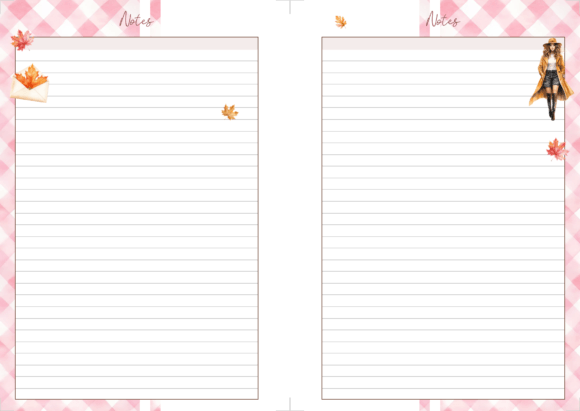
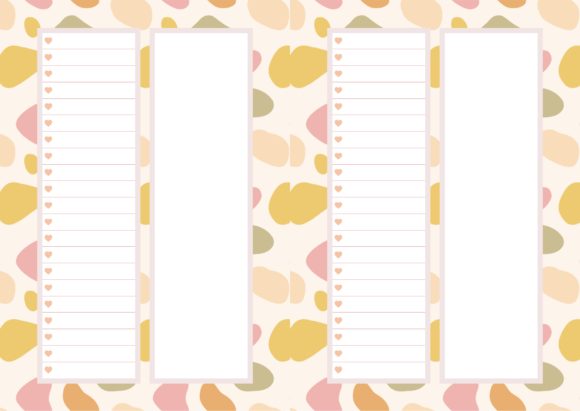
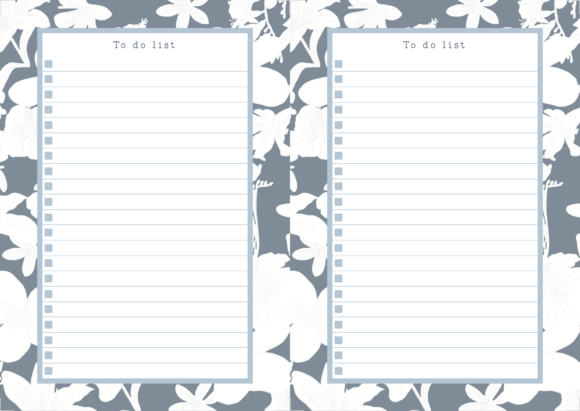
When evaluating any design asset, the first thing that catches the eye is its visual hierarchy. The Note Planner Page is crafted with a modern, minimalist aesthetic that prioritizes readability. The layout typically features clear sections for daily goals, priority tasks, and notes, separated by subtle lines or boxes that guide the eye without overwhelming the user. This clean approach ensures that the focus remains on the content—the tasks themselves—rather than the container holding them.
The A5 size is particularly strategic. It is compact enough to fit easily into standard ring binders and travel journals, yet large enough to provide ample writing space. This dimension strikes a perfect balance for professionals who need to carry their plans on the go but still want the satisfaction of a substantial page to work with. The high-resolution nature of the printable PDF means that when you print it, the lines are crisp, and the text (if any headers are included) is sharp. This quality is crucial for those using these pages in professional settings or for clients who expect polished deliverables.
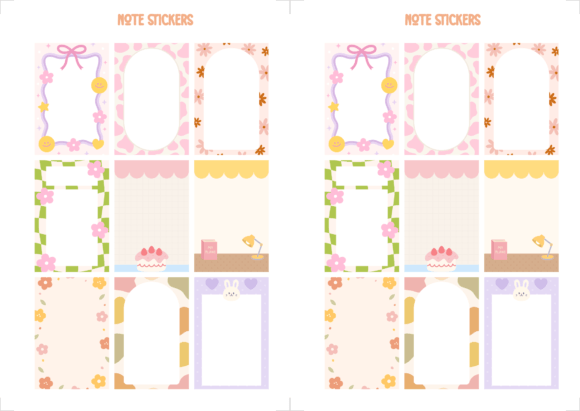
Furthermore, the neutral design of the Note Planner Page gives it a chameleon-like quality. It can adapt to various themes. If you are creating a corporate brand identity, you can pair it with sleek, sans serif fonts and monochrome color schemes. For a more personal, hobbyist project, such as scrapbooking or cardmaking, you might add decorative borders, washi tape accents, or colorful stickers around the edges. Its understated elegance allows it to serve as a functional backbone for both serious business operations and whimsical creative collages.
Versatile Applications Across Creative Industries
One of the most compelling aspects of the Note Planner Page is its cross-industry applicability. While the primary use case is obviously organization, its utility extends far beyond simple to-do lists. For graphic designers and web developers, these pages can serve as mockups for UI/UX testing. By sketching out interface layouts on paper before coding, teams can iterate faster and collaborate more effectively. The physical act of drawing wireframes on a structured grid helps in visualizing user flows and information architecture in a tangible way.
For publishers and authors, this planner page is invaluable for editorial planning. Managing article schedules, interview dates, and publication deadlines requires a robust system. The Note Planner Page allows writers to break down large manuscripts into manageable chapters or sections. Similarly, marketers can use it to plan social media campaigns, tracking post ideas, hashtag strategies, and engagement metrics in one consolidated view. The ability to print multiple copies and store them in a dedicated binder creates a physical archive of campaign history, which can be referenced for future strategy development.
Crafters and small business owners also find immense value in this resource. In the realm of handmade goods, keeping track of inventory, supply orders, and custom commissions is vital. A printable planner page can be customized with specific fields for material costs, shipping labels, and customer notes. Additionally, because the file is provided as a printable PDF, it integrates seamlessly into digital workflows. You can import the page into design software like Adobe Illustrator or Photoshop to create branded stationery, letterheads, or even fabric prints for tote bags and aprons used in workshops.
Enhancing Brand Perception Through Consistency
Consistency is key to building a strong brand identity. Using a uniform style for all internal documents, from meeting agendas to project timelines, reinforces professionalism. When every team member uses the same Note Planner Page, it creates a shared language of organization. This consistency reduces cognitive load, allowing employees to focus on the task at hand rather than deciphering different formatting styles. Moreover, when these planner pages are presented to clients—for instance, in a proposal deck or a project roadmap—they convey a sense of meticulous attention to detail. It signals that the business values order and precision, traits that clients highly appreciate.
In the context of packaging design and product labeling, the principles of good typography and layout apply equally. The clean lines and logical structure of the planner page mirror the best practices in consumer-facing design. By applying similar design principles to your operational tools, you ensure that your internal processes reflect the external brand promise. This alignment between internal workflow and external image strengthens overall brand coherence.
Practical Guidance for Implementation
To get the most out of the Note Planner Page, it is important to consider how you will integrate it into your daily routine. Start by evaluating your current pain points. Are you losing track of small details? Do you struggle with prioritization? Once you identify these areas, you can tailor the usage of the planner page accordingly. Some users prefer to write directly on the printed page, while others laminate it for dry-erase reuse. Both methods have their merits, depending on whether you prefer a permanent record or flexible updates.
Font pairing is another consideration if you are customizing the page. If you are adding headers or titles, choose a typeface that complements the existing layout. A modern sans serif font works well for a contemporary look, while a handwritten script can add a personal touch for journaling purposes. Ensure that the chosen font maintains legibility at the intended print size. Testing a few variations on actual paper before committing to bulk printing is a smart practice that saves resources and ensures the final output meets your standards.
Finally, always review the commercial licensing terms associated with the Note Planner Page. While many printable assets are free for personal use, commercial usage may require a license. Understanding these rights protects your business from legal issues and supports the creators who produce these valuable design assets. By treating your planning tools with the same respect as your client deliverables, you elevate the entire process of project management and creative production.