Evaluating Hand-Drawn Honey Bee Digital Papers for Creative Projects
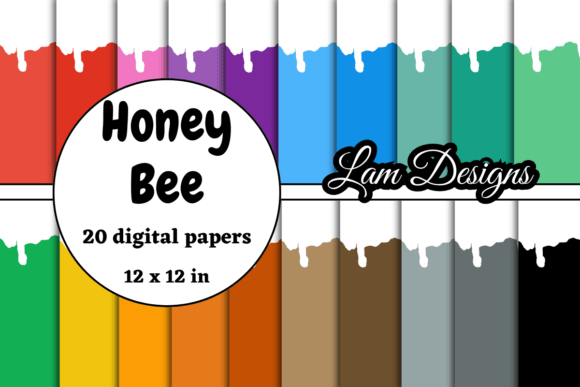
In the realm of digital design, particularly within the scrapbooking and party planning communities, the demand for high-quality, thematic assets is constant. Among these, Hand-drawn Honey Bee Digital Papers have emerged as a versatile resource for crafters, designers, and small business owners. This collection typically consists of a ZIP file containing 20 distinct digital papers, each sized at 12 inches by 12 inches—a standard dimension that aligns perfectly with traditional scrapbooking formats and many modern printing services.
For individuals researching options for their next creative endeavor, understanding the specific characteristics of this asset pack is crucial. It is not merely a collection of images; it is a toolkit designed to facilitate everything from delicate greeting cards to robust wall art. The following analysis explores the utility, aesthetic appeal, and practical applications of hand-drawn honey bee digital papers, helping you determine if they fit your specific project needs.
The Aesthetic Appeal of Hand-Drawn Styles
One of the primary distinctions of hand-drawn honey bee digital papers compared to vector-based or photorealistic alternatives lies in their organic texture. The "hand-drawn" aspect implies a level of imperfection and warmth that resonates deeply with audiences seeking authenticity. These designs often feature sketchy lines, watercolor-like washes, or ink-style illustrations that mimic physical media.
When evaluating different styles of background patterns, the hand-drawn approach offers several advantages:
- Emotional Connection: Sketch-style elements feel personal and artisanal, which is ideal for brands or events emphasizing craftsmanship and care.
- Versatility in Color: Many packs include multicolors, ranging from soft pastels to vibrant yellows and deep blacks. This variety allows users to match specific color palettes without needing extensive editing skills.
- Timelessness: Unlike trendy graphic styles that may date quickly, classic illustrative styles tend to remain relevant across seasons and years.
However, potential buyers should note that hand-drawn styles may not suit projects requiring strict geometric precision or ultra-modern minimalist aesthetics. If your goal is sleek corporate branding, a more rigid, vector-based pattern might be more appropriate. But for themes centered around nature, spring, summer, or rustic elegance, hand-drawn honey bee motifs are exceptionally well-suited.
Practical Applications and Use Cases
The versatility of receiving a ZIP file with 20 varied designs significantly expands the scope of what can be created. Because each paper is unique yet thematically consistent, they can be mixed and matched to create cohesive layouts. Below are some of the most effective ways to utilize these digital assets.
Event Stationery and Invitations
Perhaps the most common use case is for event-related materials. Honey bee printables are perfect for bridal showers, baby showers (especially gender-neutral themes), and birthday parties. The 12x12 inch size allows for easy cropping into square invitations, while larger sections can serve as backdrops for text overlays. The natural theme pairs beautifully with other botanical elements like wildflowers or eucalyptus leaves.
Home Decor and Wall Art
For those interested in home styling, these digital papers offer a low-cost entry point into custom decor. Users can select their favorite bee patterns and upscale them for large-format printing. When framed, honey bee background designs can add a playful yet sophisticated touch to nurseries, kitchens, or entryways. The multicolor options ensure that the art can complement existing furniture or paint schemes.
Small Business Branding
Entrepreneurs in the food and beverage industry, particularly those selling honey, beeswax products, or baked goods, can leverage these designs for packaging. Gift wrapping ideas are abundant here; simply printing the digital paper on cardstock creates custom, branded wrapping paper. Additionally, these patterns work well for menu designs for cafes or recipe cards for cooking blogs, adding a visual layer of professionalism and thematic consistency.
Digital Crafting and Planners
The rise of digital planning has opened new avenues for these assets. While primarily designed for print, high-resolution versions can be used in apps like GoodNotes or Notability. Scrapbookers can use them as digital stickers or page backgrounds. For physical planners, the 12x12 format can be trimmed down to create decorative dividers or cover pages.
Technical Specifications and Workflow Considerations
Before purchasing or downloading any digital asset, it is essential to understand the technical requirements. The standard offering of 20 digital papers at 12x12 inches usually comes in JPEG or PNG format. Here is what creators need to consider during the workflow process.
Resolution and Print Quality
For professional results, resolution is key. Most digital papers are provided at 300 DPI (dots per inch), which is the industry standard for high-quality printing. However, users must verify this specification before ordering. If you plan to create large-scale wall art exceeding 24x24 inches, ensure the files support upscaling without pixelation. For smaller items like business cards or stickers, standard resolution is more than sufficient.
Color Profiles
Another critical factor is color mode. Digital screens use RGB (Red, Green, Blue) color profiles, while printers use CMYK (Cyan, Magenta, Yellow, Key/Black). Many digital paper packs are sold in RGB because they are intended for screen viewing or home printing where slight color shifts are acceptable. If you are sending files to a professional commercial printer, you may need to convert the colors manually or request CMYK versions. This tradeoff is worth noting: RGB files look vibrant on monitors but may appear slightly duller when printed, whereas CMYK prints are more accurate to the screen but sometimes less vivid.
File Organization
Receiving a ZIP file simplifies storage but requires organization. With 20 distinct patterns, keeping track of which design was used for which project can become challenging. It is advisable to rename files immediately upon extraction (e.g., "Bee_Pattern_01_Yellow.jpg") rather than relying on default names like "IMG_1234.jpg." This practice saves time when assembling complex projects like multi-page scrapbooks or batch-printed invitations.
Comparing Digital Papers to Other Creative Resources
When deciding between hand-drawn honey bee digital papers and other creative resources, such as hiring a custom illustrator or buying physical scrapbook paper, several factors come into play.
Cost vs. Customization
Purchasing a pre-made digital pack is significantly more cost-effective than commissioning a custom artist. A single custom illustration can cost upwards of $50–$100, whereas a digital pack often costs between $5 and $15. However, the tradeoff is customization. You cannot ask the creator to change the bee’s pose or adjust the color palette specifically for your brand. If exact brand alignment is required, custom design is the better route. For general thematic decoration, digital packs offer excellent value.
Digital vs. Physical Media
Compared to physical scrapbook paper, digital papers offer unparalleled flexibility. There is no risk of running out of stock, no shipping delays, and no waste from unused sheets. Furthermore, digital files can be resized infinitely (within resolution limits) and reused across multiple projects over years. Physical papers degrade over time and occupy physical space. However, some crafters prefer the tactile experience of cutting and gluing physical paper. If you enjoy the manual process of traditional scrapbooking, digital papers might feel impersonal. In contrast, if you prioritize efficiency and variety, digital is superior.
Print-on-Demand Integration
One unique advantage of digital papers is their compatibility with print-on-demand (POD) services. Designers can upload these patterns to platforms that produce acrylic tumblers, mugs, or tote bags. This allows creators to monetize their designs without holding inventory. Physical paper cannot be easily integrated into POD workflows, making digital assets a strategic choice for entrepreneurs looking to scale their product lines.
Limitations and Decision Factors
While hand-drawn honey bee digital papers are a powerful tool, they are not a universal solution. Understanding their limitations helps in making an informed decision.
- Licensing Restrictions: Always review the license agreement. Some packs allow commercial use, while others are restricted to personal use only. If you intend to sell products made with these papers (such as printed stickers or wrapped gifts), ensure the license permits commercial application. Failure to do so can lead to legal issues.
- Design Cohesion: With 20 patterns, there is a risk of visual clutter if too many are used simultaneously. Successful design relies on restraint. Choose one or two dominant patterns and use the others as accents or backgrounds for text-heavy areas.
- Editing Skills Required: To truly maximize the value of these papers, basic proficiency in design software like Canva, Adobe Photoshop, or Illustrator is helpful. Without these tools, you are limited to simple print-and-cut methods.
Conclusion
The decision to incorporate Hand-drawn Honey Bee Digital Papers into your workflow depends largely on your project goals, budget, and technical comfort level. For crafters, hobbyists, and small business owners seeking an affordable, versatile, and aesthetically pleasing way to enhance invitations, stationery, and decor, this type of digital asset pack is a strong candidate. Its blend of organic charm and practical utility makes it a staple in many creative toolkits.
By weighing the benefits of cost-efficiency and reusability against the limitations of licensing and customization, you can determine if this resource aligns with your needs. Whether you are designing a whimsical wedding invitation suite or creating branded packaging for a local honey shop, these digital papers provide a reliable foundation for bringing your vision to life.