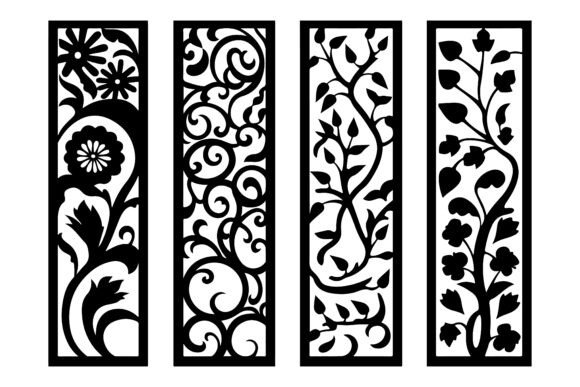
Designing with Precision: A Comprehensive Guide to Decorative Laser Cut Islamic Silhouette Projects
In the realm of contemporary Islamic art and design, Decorative Laser Cut Islamic Silhouette designs have emerged as a sophisticated bridge between traditional geometric heritage and modern manufacturing capabilities. For designers, event planners, and craft enthusiasts, these intricate patterns offer more than just aesthetic appeal; they provide a structural framework for creating depth, shadow, and cultural resonance in physical objects. Whether you are producing high-volume wedding invitations or bespoke home decor items, understanding the nuances of laser-cut silhouettes is essential for achieving professional results.
This guide explores the technical and creative aspects of working with these designs, evaluating their applications across various industries, and helping you determine when this medium is the optimal choice for your project.
The Anatomy of Laser Cut Islamic Silhouette Designs
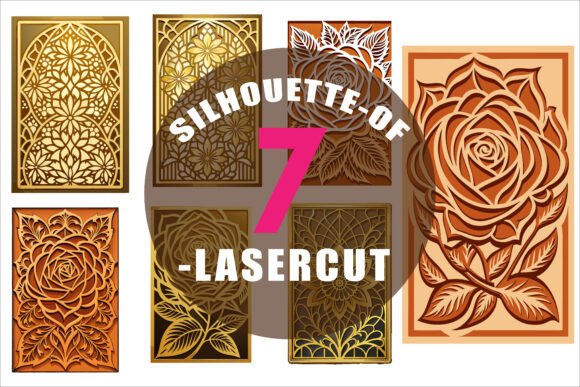
A Decorative Laser Cut Islamic Silhouette is not merely a flat image; it is a vector-based architectural blueprint for light and material. Unlike standard printing, which relies on ink deposition, laser cutting utilizes a focused beam to physically remove material, creating negative space that defines the pattern. In Islamic design, this technique highlights the complexity of geometric tessellations, arabesque floral motifs, and calligraphic forms without relying on color alone to convey meaning.
The distinctiveness of these designs lies in their scalability and precision. When sourced as editable eps files, designers gain full control over line weights, node placement, and scaling ratios. This allows for the creation of pieces that range from delicate bookmark gifts for Islamic celebrations to large-scale tiled wall panels. The ability to manipulate these vectors ensures that the intricate interlacing typical of Islamic art remains crisp, regardless of the final output size.
Material Versatility and Structural Integrity
One of the primary advantages of using Decorative Laser Cut Islamic Silhouette templates is their adaptability to various substrates. While black cardstock is a popular choice for creating high-contrast black laser cut effects, the designs perform equally well on:
- Acrylic and Perspex: Ideal for modern home accent pieces and luxury packaging design.
- Plywood and MDF: Suitable for tabletop decorations, room dividers, and door hangers.
- Thick Paper Stocks: Essential for wedding invitations, eid greeting cards, and customized stationery.
- Fabric and Felt: Used for ornaments for special occasions and soft mosque decor.
However, material choice dictates the visual outcome. Thin papers may require delicate handling to prevent tearing at narrow junctions, while thicker woods allow for bold, standalone statements but limit portability. Understanding these tradeoffs is critical when selecting a production method.
Evaluating File Formats: EPS vs. PNG vs. JPG
When sourcing decorative laser cut islamic silhouette card designs, the file format is arguably the most significant technical consideration. Each format serves a different stage of the production workflow, and choosing incorrectly can lead to distorted patterns or inability to edit.
Editable EPS Files: The Professional Standard
The eps (Encapsulated PostScript) format is the gold standard for laser cutting. As a vector format, it uses mathematical equations to define lines and curves rather than pixels. This means you can scale an islamic geometric design from a small business card to a massive festival banner without any loss of resolution or jagged edges. Furthermore, EPS files are fully editable in software like Adobe Illustrator, allowing you to adjust the density of the pattern, modify specific nodes, or integrate custom text such as names for personalized nameplates.
If your goal is to produce unique, branded, or perfectly fitted products, investing in editable EPS files is non-negotiable. They provide the flexibility needed to troubleshoot design errors before cutting begins.
Printable PNG and JPG Files: Limitations and Uses
In contrast, printable png files and jpg files are raster formats composed of pixels. While they are convenient for quick previews or simple digital sharing, they are generally unsuitable for direct laser cutting unless the resolution is exceptionally high (300 DPI or more) and the dimensions match the output exactly. Raster images suffer from pixelation when scaled up, resulting in blurry or stair-stepped edges that ruin the elegance of floral patterns or geometric patterns.
Raster formats are best reserved for:
- Digital mockups and client presentations.
- Direct printing on photosensitive materials where no cutting occurs.
- Quick social media graphics featuring the artwork.
For any physical product involving cutting, tracing, or precise alignment, always prioritize vector sources.
Application Analysis: Where Do These Designs Fit?
The versatility of Decorative Laser Cut Islamic Silhouette extends far beyond traditional greeting cards. By analyzing different use cases, we can identify the strengths and limitations of this medium.
Event Stationery and Invitations
In the wedding and corporate event sectors, laser cut cards serve as a premium differentiator. The interplay of light and shadow through islamic art patterns creates a tactile experience that standard printing cannot replicate. For wedding invitations and corporate event invitations, layered card stock designs utilizing these silhouettes add perceived value and exclusivity. However, the tradeoff is cost and production time. Laser cutting is slower than offset printing, making it less viable for mass-market, low-budget events. It is best suited for mid-to-high-end markets where personalization and luxury are key selling points.
Home Decor and Architectural Elements
For interior design, Decorative Laser Cut Islamic Silhouette patterns transform functional items into art. Islamic-themed wall hangings, window hangings, and ceiling decorations for large spaces utilize these designs to cast intricate shadows that change throughout the day. Large-scale projects, such as mosque decor or event place cards for grand halls, benefit from the durability of materials like wood or acrylic. Here, the strength of the design lies in its ability to act as a room divider or a focal point, providing privacy and aesthetic beauty simultaneously.
Religious and Cultural Celebrations
During ramadan cards distribution or eid greeting cards exchanges, these designs foster a sense of tradition and reverence. Personalized prayer journals and religious event announcements often feature these motifs to signal cultural identity. The use of islamic symbols and emblems within the silhouette must be handled with cultural sensitivity and accuracy. Designers must ensure that geometric proportions adhere to traditional principles, as deviations can detract from the spiritual significance of the item.
Comparing Alternatives: Laser Cutting vs. Die Cutting vs. Digital Printing
When deciding on a production method, it is helpful to compare laser cutting against other common techniques.
Die Cutting: Traditional die cutting involves metal dies pressed into paper. While efficient for high-volume runs, it lacks the finesse of laser cutting for extremely fine details. Decorative Laser Cut Islamic Silhouette designs often contain minute intersections that would tear if subjected to the pressure of a mechanical die. Laser cutting offers superior detail retention, making it the preferred choice for complex geometric patterns.
Digital Printing: Digital printers can mimic the look of cutouts using white ink overlays or layered prints. This is a cost-effective alternative for short runs where physical cutting is not required. However, it lacks the three-dimensional quality and the play of light that true laser cuts provide. If the goal is to create a tangible, textured object, laser cutting remains superior.
CNC Routing: Similar to laser cutting but using a physical bit, CNC routing is better suited for thick materials like solid wood or metal. For paper, cardstock, and thin plastics, lasers provide cleaner edges without the kerf (material removal width) associated with router bits.
Decision Factors: When to Choose Laser Cut Silhouettes
Selecting Decorative Laser Cut Islamic Silhouette designs is a strategic decision based on budget, volume, and desired impact.
Choose Laser Cut Designs When:
- Premium Quality is Required: You are targeting a luxury market for weddings, high-end corporate gifts, or exclusive religious events.
- Customization is Key: You need to personalize items like gift box decorations, photo frames, or journal covers with variable data that must align precisely with the cut lines.
- Complex Geometry is Necessary: The design requires intricate, non-repeating patterns that mechanical dies cannot achieve.
- Light Interaction is Desired: The project aims to use shadows and translucency as part of the design language, such as in candle holders or lanterns.
Consider Alternatives When:
- Budget is Tight: For large quantities of simple messages, standard digital printing is more economical.
- Speed is Critical: Laser cutting is a sequential process and can be slower than sheet-fed printing for bulk orders.
- Material Constraints Exist: Some materials release toxic fumes when lasered or do not cut cleanly, requiring alternative fabrication methods.
Practical Implementation Tips
To maximize the potential of your Decorative Laser Cut Islamic Silhouette projects, consider the following practical advice:
- Test Cuts: Always perform a test cut on scrap material of the same thickness and type. This reveals how the laser interacts with the substrate, preventing burns or incomplete cuts.
- Optimize Vector Paths: Ensure all lines in your editable eps files are closed and overlapping correctly. Gaps in the vector path can cause the laser to skip sections or burn excessively at joints.
- Plan for Assembly: Many handmade cards and scrapbook decorations involve layering. Design your files with registration marks or fold lines to ensure accurate alignment during assembly.
- Respect Cultural Context: When using islamic quotes or religious symbols, verify the authenticity and appropriateness of the content. Accuracy enhances the respect and value of the final product.
By carefully evaluating file formats, understanding material properties, and aligning the technology with your specific project goals, you can leverage Decorative Laser Cut Islamic Silhouette designs to create impactful, culturally rich, and visually stunning works. Whether for personalized notebooks, event program covers, or luxury packaging, this medium offers a unique blend of tradition and innovation that resonates deeply with audiences seeking meaningful design.